Morning Brief: October 19, 2026 — 4 AI developments worth knowing
Four developments to start the week: collaborative slides in ChatGPT, Figma’s code layers beta, Claude Code Review’s general release, and downloadable FLUX 3 Image Klein.
In this article
The morning view
Eligible plans, visibility of imported code, review charges, and commercial-use terms shape the practical value of these releases.
1. ChatGPT brings shared slide editing into Space
Development:
OpenAI began rolling out ChatGPT Slides on October 16, letting eligible Pro, Business, and Enterprise users with Space access create and edit presentations together. Users can start from notes, files, or an outline, then change individual elements directly or ask ChatGPT to revise them. Colleagues can edit simultaneously and leave comments.
Web users can export to PowerPoint, PDF, or Google Slides. Direct element editing requires web or desktop; mobile supports creation through conversation and viewing. OpenAI also documents a Windows caveat: use cloud mode or the web if the app produces a standalone PowerPoint file.
Our read: Has teeth. Simultaneous editing and export make the generated deck usable beyond the initial chat, for accounts included in the rollout.
Read our full coverage: ChatGPT Slides brings shared presentation editing into Space
2. Figma opens code layers to more prototype builders
Development:
Figma began an open-beta rollout of code layers on October 15. These running prototypes sit on the design canvas, where teams can compare versions and ask Figma’s agent to change interactions. Supported code can come from GitHub or local folders.
Rollout spans Starter, paid, and K–12 Education plans; creation requires a Full seat and file-edit access. Generating and editing code within layers uses no AI credits on paid plans through November 4, although other agent work still does. Repository imports need care: Figma file editors can inspect underlying cloned code even without access to the original GitHub repository.
Our read: Has teeth. Teams can review an interactive design without moving every stakeholder into a coding environment, reducing a practical barrier to feedback.
Read our full coverage: Figma code layers and Specs enter open beta
3. Claude Code Review leaves preview with three depth settings
Development:
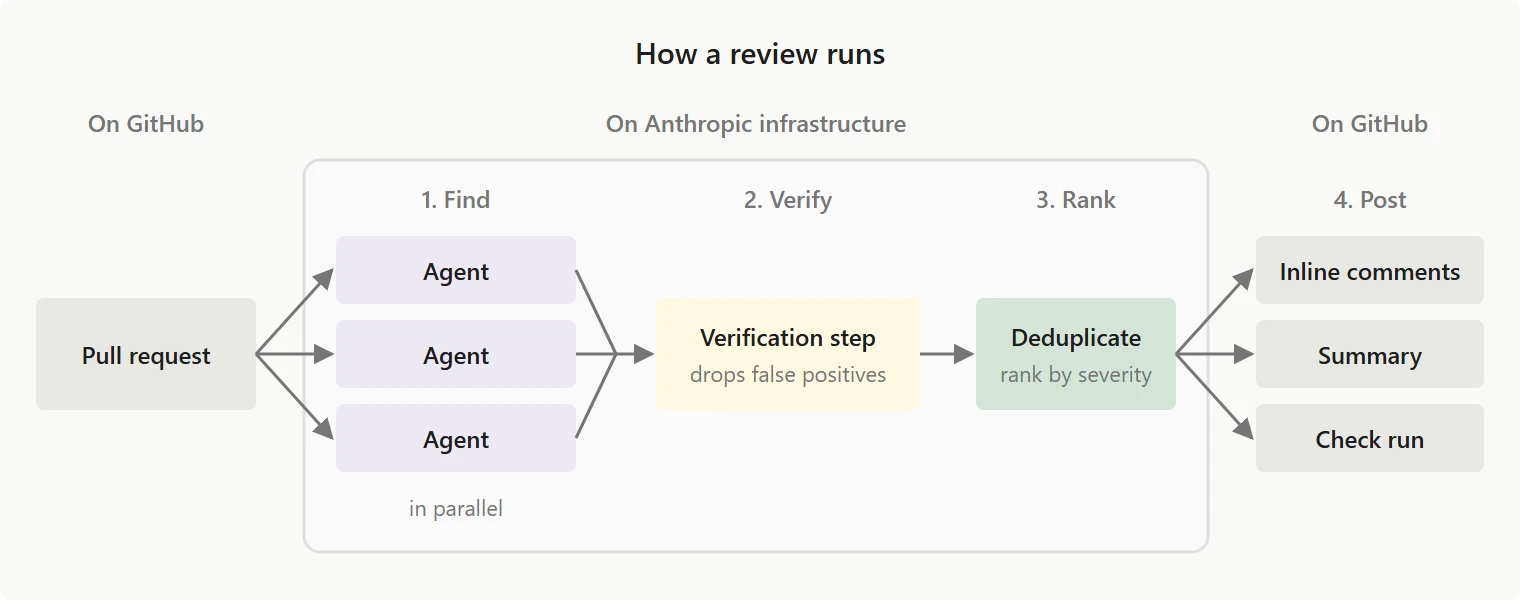
Anthropic made its hosted Code Review service generally available on October 15 for eligible Team and Enterprise organizations using GitHub. Administrators can choose Quick, Standard, or Deep reviews by repository, matching the scrutiny to the codebase. The service posts findings on proposed changes but leaves approval and merging to people.
Billing is separate from included plan usage and varies with tokens consumed. Newly added repositories default to a review after every push, so repeated revisions can multiply charges. Reviews read code without building or running it. Organizations using Zero Data Retention, HIPAA configuration, or customer-managed encryption keys remain ineligible.
Our read: Has teeth. Configurable review depth offers a concrete way to reserve more expensive analysis for repositories where mistakes would matter most.
Read our full coverage: Claude Code Review leaves preview with adjustable review depth
4. FLUX 3 Image Klein adds downloadable generation and layout control
Development:
Black Forest Labs released FLUX 3 Image Klein on October 15 for image generation and editing, with downloadable weights and API access. Its 5.6-billion-parameter generator accepts up to ten reference images and bounding boxes—rectangles specifying placement or the area to edit. The release includes a base version for further training and a version distilled for lower latency.
Local deployment gives developers another option for keeping image workflows on their own infrastructure. Commercial permission is conditional: the base model’s license sets a revenue ceiling below $5 million, counting the user and its affiliates’ gross annualized revenue, and requires content filtering or output review. Larger commercial deployments need separate licensing or API access.
Our read: Has teeth. Downloadable models and layout controls offer concrete integration options; the weights do not carry unrestricted commercial rights.
Read our full coverage: Black Forest Labs releases FLUX 3 Image Klein with layout controls
Sources & method
AI-assisted morning roundup based on primary announcements and implementation documentation opened for this edition. Assessments are editorial judgments about documented capabilities and access, not endorsements or hands-on test results. Vendor claims have not been independently tested.
- OpenAI: ChatGPT release notes — October 16, 2026Published October 16, 2026
- OpenAI: Get started with ChatGPT SpaceAccessed October 19, 2026
- Figma: Design together with code layers on the canvasPublished October 15, 2026
- Figma Help: Code layers in Figma DesignAccessed October 19, 2026
- Figma Help: Use Git with Figma Make and code layersAccessed October 19, 2026
- Anthropic: Code Review is now generally availablePublished October 15, 2026
- Claude Code Docs: Code ReviewAccessed October 19, 2026
- Claude Code Docs: Code Review costs and usageAccessed October 19, 2026
- Black Forest Labs: FLUX 3 Image KleinPublished October 15, 2026
- Black Forest Labs: FLUX Kommunity License v.1.0 for FLUX 3 Image Klein BaseAccessed October 19, 2026
Source pages reviewed October 19, 2026. Analysis and suggested evaluation methods are AI Toolcast’s own.
This AI-assisted, source-reported roundup contains no sponsored placement or affiliate links. Products were not tested for this edition.
Keep reading
ChatGPT Slides brings shared presentation editing into Space
OpenAI is rolling out collaborative decks to eligible Pro, Business and Enterprise users. Direct editing and exports extend the workflow, while launch permissions and a separate Windows desktop requirement shape access.
Black Forest Labs releases FLUX 3 Image Klein with layout controls
FLUX 3 Image Klein brings downloadable image generation and reference-based editing to developers. Layout controls, local hardware requirements and commercial-use conditions differ from the simplest reading of the launch.

Claude Code Review leaves preview with adjustable review depth
Anthropic's hosted pull-request reviewer has left preview. Repository-level depth controls give teams more choice, while review frequency, eligibility restrictions and separate billing shape the rollout decision.